ʻAuhea ʻoukou e nā hoa makamaka puni hula!
Welcome to Kuhi Nō Ka Lima! We are so excited to share this project space with you.
Kuhi Nō Ka Lima is, at its heart, a project about searching, reaching, recognizing, and reconnecting. It is about the many pathways that lead poʻe hula toward the moʻolelo, mele, photographs, recordings, writings, and collections that help us understand where hula has been, where hula is now, and where hula continues to move.
This project has a genealogy. It begins, first and foremost, with hula. With the people who practice it. With kumu. With hālau. With dancers, musicians, chanters, lei makers, researchers, archivists, librarians, museum workers, ʻohana, and community members who have cared for hula in all kinds of ways — formally and informally, publicly and quietly, across generations.
It also begins with a feeling that many hula people know well: the feeling of looking for something.
A mele title.
A photograph of a beloved kumu.
A newspaper article.
A recording.
A name.
A place.
A story.
Sometimes we find what we are looking for in an archive, library, museum, newspaper database, family collection. Sometimes we stumble upon something we did not even know existed. Sometimes the search is exciting. Sometimes it is frustrating. Sometimes the materials are there, but they are hard to find because of how they have been described. Sometimes they are scattered across many institutions. Sometimes they are described in ways that do not quite match how hula practitioners would understand them. Sometimes the story is present, but the relationships around that story are missing.
Kuhi Nō Ka Lima grows from those experiences.
Our project asks:
- What would it look like to create a better pathway between poʻe hula and hula-related materials held in archives, libraries, museums, digital repositories, family collections, and other places where our traditions are cared for?
- How might we describe these materials in ways that are useful, respectful, culturally grounded, and accountable to the communities they come from?
- How do we make things more findable without assuming everything should be fully open, public, or detached from protocol? How do we build access with care?
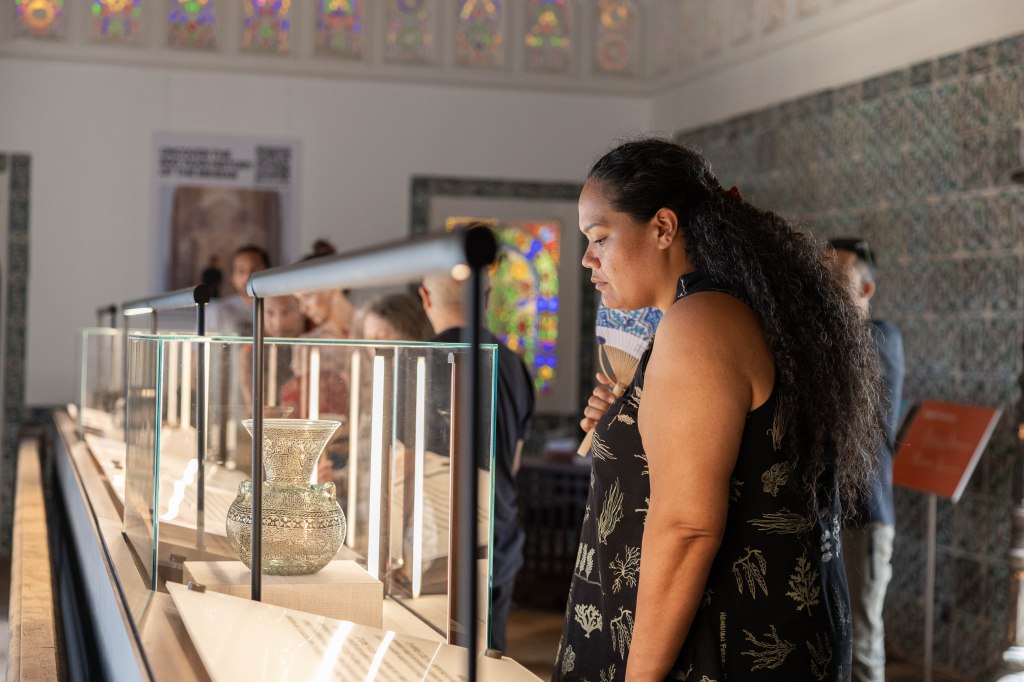
At its most practical level, Kuhi Nō Ka Lima is interested in learning more about the information practices of poʻe hula, while also working toward a directory of hula-related collections. We want to help practitioners, students, researchers, kumu, and communities discover where hula materials are held and what kinds of materials might be available. But the project is not just about creating a list of collections. It is about asking deeper questions about relationship, kuleana, access, description, and care.
In other words, this is not only a “where is the stuff?” project. It is also a “how should we care for the stuff?” project.
And even more importantly: “Who gets to decide any of this?”
Over the coming months, our team will be gathering information about collections, visiting repositories, talking story with hula practitioners, conducting interviews and focus groups, reviewing existing descriptions, and thinking carefully about what a culturally responsible directory of hula collections should include. We will be paying attention to practical details: collection names, locations, formats, languages, access conditions, permissions, and restrictions. But we will also be paying attention to the things that do not always fit neatly into a database field: cultural sensitivity, community connection, uncertainty, context, protocol, and the need to consult with the right people before sharing or using certain materials.
This blog will be one place where we share the process.
You can expect updates from me and from our student research assistants as the project unfolds. We will share collection spotlights, behind-the-scenes reflections, questions we are wrestling with, lessons we are learning, and moments that help us think more deeply about the work. Some posts may be practical. Some may be reflective. Some may be joyful. Some may sit with complexity.
We also hope this blog becomes a way to invite conversation. Kuhi Nō Ka Lima strives to connect voices, stories, traditions. The project is rooted in the belief that poʻe hula have expertise that must shape how hula materials are described, organized, accessed, and cared for. Kumu hold knowledge. Hālau hold knowledge. ʻOhana hold knowledge. Communities hold knowledge. The work of reconnection has to honor all of that.
So this first post is really an opening.
An opening of the website.
An opening of the project.
An opening of the conversation.
Again, welcome to Kuhi Nō Ka Lima!
 Kuhi Nō Ka Lima
Leave a comment